Mental Health Is Learning to Surf
Healing was never about calming the ocean. It was always about learning how to move with it.
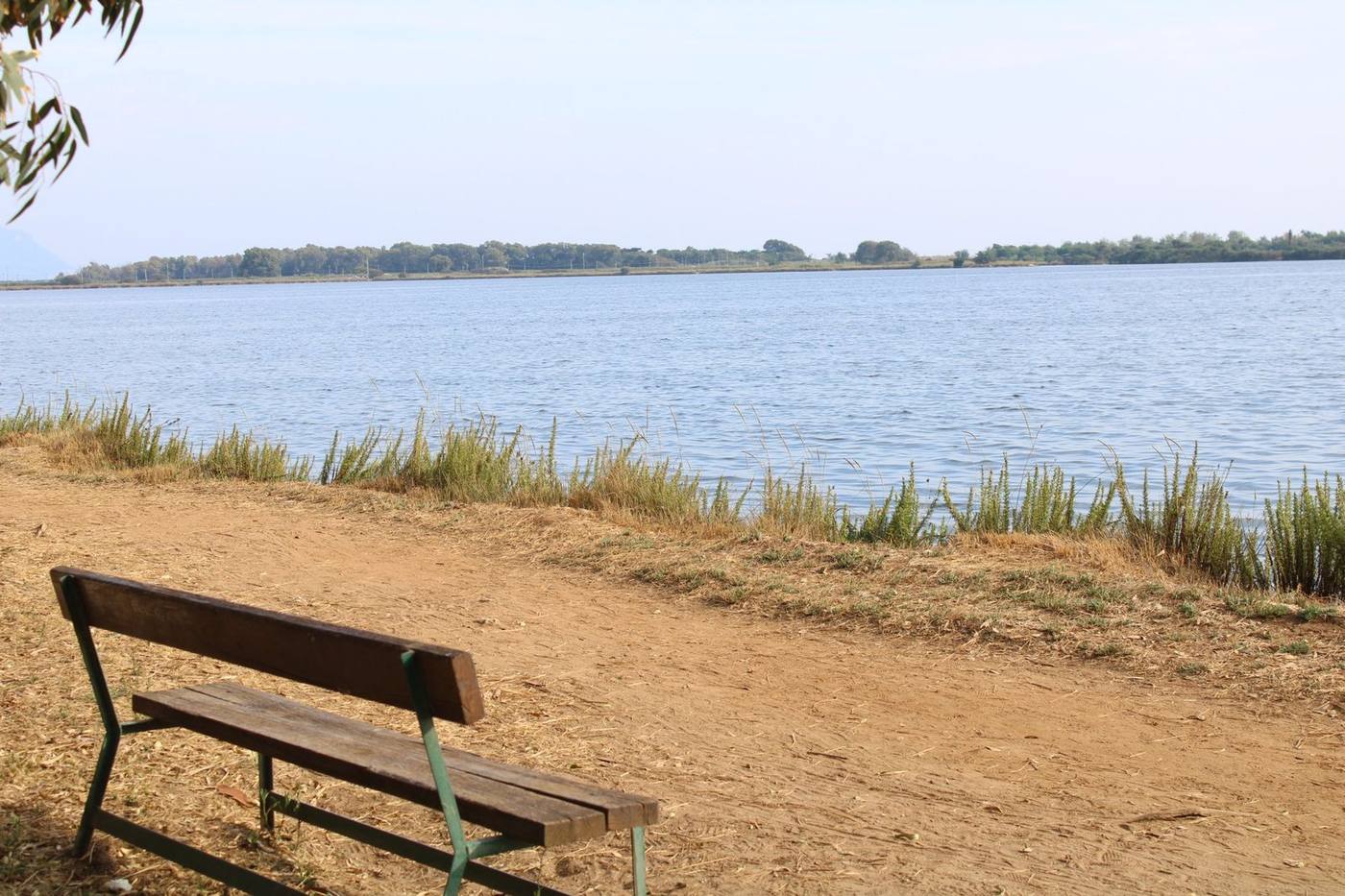
What if we've been thinking about mental health the wrong way?
What if the goal isn't to stop feeling anxious. What if it isn't to make sadness disappear, or to reach some place where nothing bothers you anymore. What if healing was never about calming the ocean, and was always about learning how to surf it.
A surfer never paddles out expecting the water to be still. The waves are the reason they're there. Some will be small, some beautiful, some unpredictable, and every so often one will look bigger than anything they feel ready for. No surfer waits for the ocean to go calm before getting in. If they did, they'd never enter the water at all.
We do something similar with our own lives. I'll start living once my anxiety gets better. I'll travel once I'm no longer afraid. I'll trust someone once I'm certain they won't hurt me. I'll be happy once this depression lifts. We postpone living while we wait for calm water that isn't coming. Life doesn't promise a still ocean. It comes with grief, rejection, uncertainty, disappointment, and people we love hurting us in ways we didn't see coming. Mental health, then, isn't about controlling the ocean. It's about learning to navigate what it sends.
Learning to read the water
Before a surfer paddles out, they watch. They study the current, the wind, where the waves are breaking. Mental health starts the same way, with awareness. What am I feeling? Where do I feel it in my body? What happened right before this showed up? What do I actually need?
These are simple questions, but many of us were never taught to ask them. We were taught to keep going: to be strong, to be grateful, not to let anyone see us struggling. So we stand in the middle of our own storms saying “I'm fine,” disconnected from the weather inside us. Reading the water means noticing what's happening before the wave arrives, not after it's already knocked us down.
You don't have to fight every wave
Fighting the ocean is exhausting. So is fighting every uncomfortable feeling. I shouldn't feel this way. Why am I still anxious. I thought I was over this. That's a second wave stacked on the first: we start suffering not just from the emotion, but from judging ourselves for having it.
Emotions behave like waves: they rise, they peak, and eventually they change. Acceptance doesn't mean liking what's happening. It means recognizing it (this is what's here right now) and then choosing how to respond, rather than spending our energy pretending it isn't happening at all.
Not every wave is yours to ride
Good surfers don't chase every wave that comes. Most of us try to. Every thought, every criticism, every disagreement, every person's opinion of us: we jump on all of it, and then wonder why we're exhausted. One of the most useful mental-health skills is deciding, on purpose, which waves deserve you. Not every thought needs your attention, not every conflict needs your participation, not every person's disappointment means you did something wrong.
You are not the wave
There's a real difference between saying “I am anxious” and “I'm experiencing anxiety.” Between “I'm depressed” and “I'm going through a period of depression.” Language matters, because when an experience becomes an identity, it starts to feel permanent.
A surfer who gets knocked off their board doesn't decide they are a wipeout. The wave happened. They fell. They're still the surfer. Your anxiety is real. Your grief is real. But none of it is the whole of who you are. You are experiencing the wave.
You are experiencing the wave. You are not the wave.
Falling is not failure
Even experienced surfers fall, and therapy doesn't eliminate hard days. You can do years of inner work and still get triggered. You can understand exactly where a wound came from and still feel it flare. Progress usually doesn't look like never falling again. It looks like that used to cost me a week, now it costs me a day, or I noticed what was happening before I reacted, or simply I got back on the board.
That's what growth actually looks like, most of the time.
Some waves are bigger than our current skills
It's worth being careful with resilience language, because “learn to surf” can be heard as “handle it yourself,” and that isn't the point. There are conditions too big to face alone: trauma that overwhelms, depression that becomes debilitating, anxiety that becomes paralyzing. Sometimes we need someone beside us: a therapist, a physician, a trusted friend, a community. Asking for help isn't proof you don't know how to surf. Knowing when you need it is part of knowing how.
Repair. Restore. Reclaim.
Three words that shape how I think about healing.
Repair asks what happened, and what it taught you to do just to survive it. Maybe the board has cracks nobody else can see, and repair means finally paying attention to them rather than pretending they aren't there.
Restore asks what needs strengthening: regulation, trust, boundaries, self-compassion, a different relationship with rest. It's rebuilding the capacity to stay connected to yourself even when the water turns rough.
Reclaim is what comes after. Not just surviving the ocean, but returning to your life: your relationships, your voice, your creativity, your joy. Getting back in the water, not because you've learned to control it, but because you've learned you can live even when the waves come.
For the immigrant reading this
Immigration itself can feel like learning to surf in an unfamiliar ocean. The language changes. The rules change. Your credentials don't always carry the same weight here. You become hyperaware of your accent, your name, your papers, the way people size you up before you've said a word, and often you're expected to adapt without anyone acknowledging what that adapting costs you.
You learn to code-switch. When to speak and when to stay quiet. How to belong without always feeling like you belong. Those are waves too. And sometimes healing means sitting with one question:
How much of myself have I sacrificed just to stay afloat?
The wave you're standing in right now
So, what's your wave? Anxiety. Grief. Parenting. A transition. Something from your past that keeps resurfacing in your present.
Are you trying to stop it? Fighting it? Letting it carry you wherever it wants? Or are you learning how to surf it?
Healing isn't the absence of waves, and peace was never an ocean that stops moving. Mental health is having enough awareness, flexibility, support, and courage to say: I don't control the ocean. But I'm learning how to move with it. And when I fall, because sometimes I will, I know how to find my board again.
Until next time, take care of yourself, and keep learning how to ride the waves.
Keep reading

The World Needs Immigrants. Does It Value Them?
A psychotherapist on deportation, “conditional existence,” and what it costs to live where your belonging can be revoked.
PIVOT: Stop Trying to Make the Best Decision
Mental health isn't about making the best decision. It's about developing enough flexibility to make the right one for this moment, then adjusting when circumstances change.