Practicing Across Borders: What I Wish I'd Known About Counseling in Europe
On moving a counseling career overseas, the differences between counseling in the U.S. and Europe, and what helps clinicians thrive internationally.
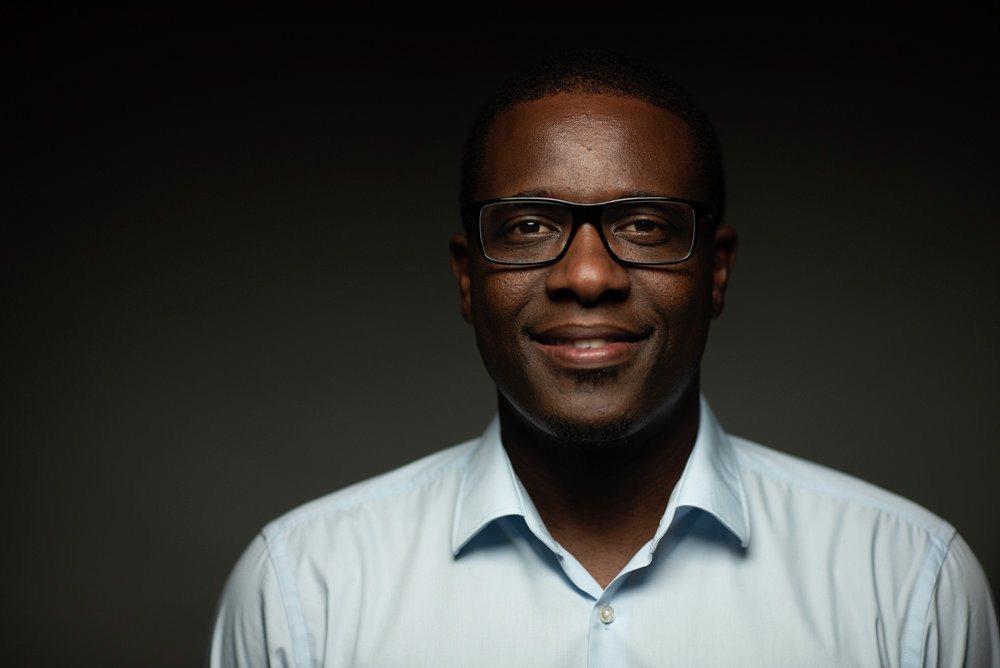
Tell us about yourself
My name is David Augustin, and I'm a Licensed Mental Health Counselor and Qualified Supervisor with more than 15 years of clinical experience. Through my private practice, Therapy In Reality, I provide therapy, clinical supervision and consultation, primarily for English-speaking clients: in person near Stuttgart and online across Europe.
My work focuses largely on U.S. military personnel, veterans, Department of Defense civilians, contractors, expatriates and internationally mobile professionals. Many of my clients are navigating unique challenges such as military transitions, deployment-related stress, trauma, relocation, identity shifts, relationship difficulties, and the emotional impact of living far from their support systems.
I came to Europe in 2014 for family reasons, and began working with the military community here, first through TRICARE and then as a Military & Family Life Counselor. I quickly recognized a significant need for culturally responsive, English-speaking mental health services for Americans living overseas. Today my practice serves clients across multiple European countries, and I'm preparing to expand into Italy in fall 2027 while continuing to serve the broader international community.
My professional identity is grounded in evidence-based practice, cultural humility, and helping people build resilience while navigating transitions. Much of my work explores identity, belonging, resilience, and what it means to create a sense of home and purpose while living between cultures.
What do you wish you had known about counseling in Europe?
I wish I had understood that moving overseas isn't simply relocating your practice. It's learning an entirely different professional ecosystem.
Every country has its own licensure regulations, privacy laws, healthcare systems, reimbursement models and cultural expectations around mental health. Even when you work with American clients abroad, you're still operating within another country's legal and cultural framework.
I also underestimated how much cultural humility matters. Behaviors that may be interpreted one way in the United States can carry very different meanings in Europe. Attitudes toward therapy, family involvement, emotional expression, medication, work-life balance and even diagnostic language often differ.
Another lesson was that building a referral network takes time. Finding English-speaking physicians, psychiatrists, schools, attorneys and other providers across different countries requires intentional relationship-building.
Finally, I wish someone had explained how important it is to become comfortable with uncertainty. There isn't always one clear pathway, and many clinicians end up creating solutions through collaboration and persistence.
What are the biggest differences between counseling in the U.S. and in Europe?
One of the biggest differences is that there really isn't one “European counseling system.” Every country has its own laws, licensing standards, healthcare model and cultural attitudes toward mental health.
Compared with the U.S., I generally find that many European clients place a stronger emphasis on balance, quality of life, and integrating mental health into overall well-being, rather than viewing therapy solely as treatment for pathology.
Working with Americans living overseas adds another layer. Many clients experience what we call ambiguous loss: the loss of familiarity, routines, identity and community, even when the move itself is positive. Therapy often becomes a place to process cultural adaptation alongside more traditional clinical concerns.
Practically speaking, clinicians also have to become much more knowledgeable about international issues such as licensure, taxation, privacy regulations, telehealth laws and cross-border ethical practice. Those aren't topics many of us were trained on extensively in graduate school.
And because Europe is so culturally diverse, cultural competence becomes an everyday clinical skill rather than an occasional consideration. In a single week, I may work with people living in Germany, Italy, Spain, Belgium or the United Kingdom, each with different cultural influences and healthcare experiences.
What advice would you give counselors interested in moving to Europe?
Start networking before you move. Connect with clinicians already practicing overseas, learn the regulations of the country you're interested in, understand the visa and tax implications, and don't assume what works in one European country applies to another. Be patient: it takes time to build both a professional network and a community.
What qualities help counselors succeed internationally?
Curiosity, flexibility, cultural humility, patience, and a willingness to keep learning. Technical competence is essential, but adaptability is what allows clinicians to thrive.
What's the most rewarding part of your work?
Helping people find stability and belonging during major life transitions. Whether someone is a military family, an expatriate professional or a veteran adjusting to a new chapter, it's incredibly meaningful to help them build resilience and feel connected despite living far from home.
One of the greatest privileges of practicing in Europe is recognizing that while cultures, healthcare systems and languages differ, the human experience remains remarkably similar. People everywhere are seeking connection, meaning, resilience, and a place where they feel understood. Our role as counselors is to meet them where they are, while honoring the culture they come from and the culture they're learning to navigate.
Thinking about building a counseling career in Europe? Request a consultation or read how I can help.
Keep reading

The World Needs Immigrants. Does It Value Them?
A psychotherapist on deportation, “conditional existence,” and what it costs to live where your belonging can be revoked.

Mental Health Is Learning to Surf
Healing was never about calming the ocean. It was always about learning how to move with it.